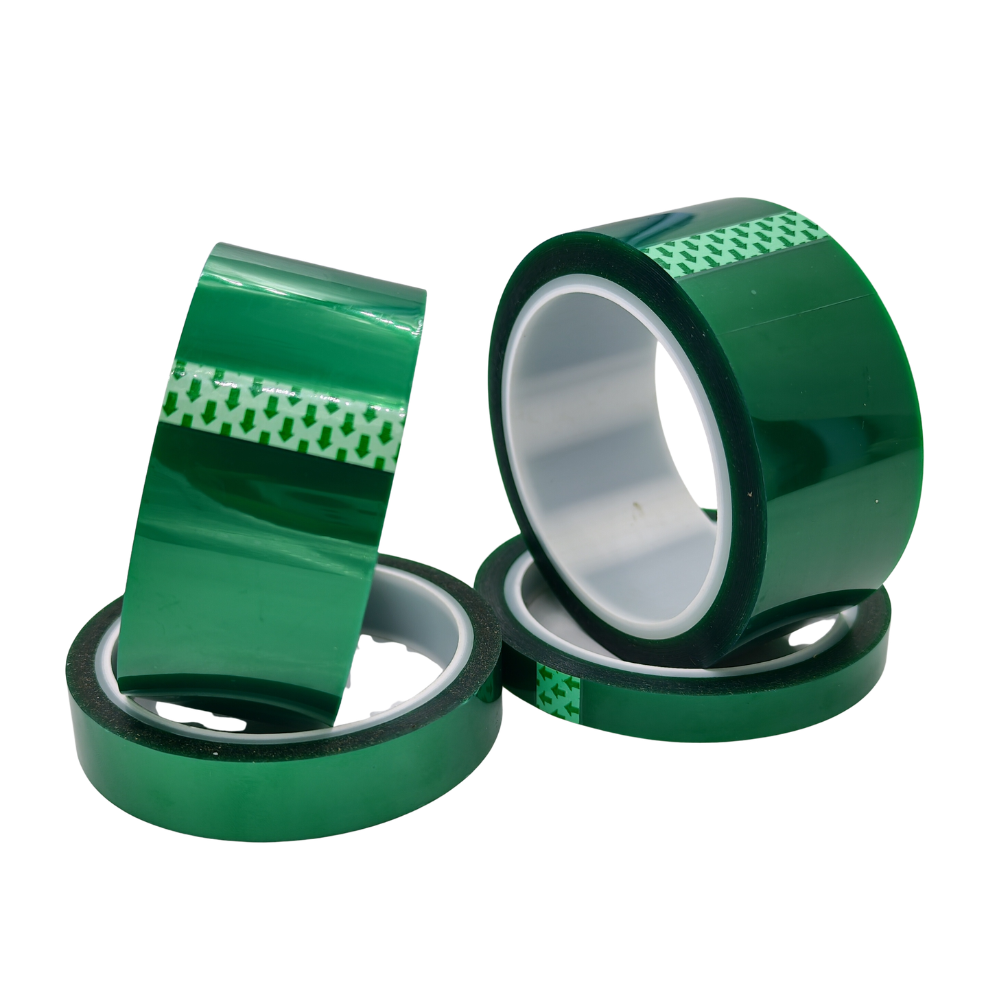
10 Simple Tips to Remove Adhesive Tape Residue

What’s the No. 1 reason contractors rely on adhesive tape on job sites? It bonds securely under almost any condition. However, that same strong adhesion often creates a problem during removal. Sticky residue can remain on the surface and become difficult to clean. This not only affects appearance but can also interfere with repainting, refinishing, or reinstallation. At Densemate, we often see how improper removal methods lead to extra labor and surface damage.
Why does this happen, and what can you do about it? Adhesive residue usually forms when tape stays on a surface too long or when the surface is not properly prepared. Environmental factors like heat, dust, and moisture can also change adhesive behavior. While understanding the cause helps, most users want a practical solution. The goal is simple: remove adhesive residue efficiently without damaging the surface.
10 Simple Solutions to Remove Tape Residue
Test first!
Always test your method on a small hidden area before full application. This step helps prevent unexpected damage. Surfaces like wood, paint, and high-gloss finishes can react to chemicals. A quick test ensures compatibility and avoids costly mistakes.
Make it quick.
Remove tape quickly in one smooth motion when possible. Fast removal reduces adhesive transfer and minimizes residue. Slow pulling allows the adhesive to stretch and stick to the surface. If the tape is old or hardened, remove it more slowly to protect painted or delicate surfaces.
Scrape it / Water & heat
Use a putty knife or scraper to remove residue from solid surfaces like paneling or flooring. Apply light pressure to avoid scratches. For glass or metal, a razor blade can work if used carefully. You can improve results by using warm, soapy water to soften the adhesive first. Heat is also very effective. A hairdryer or heat gun can loosen the bond and make removal easier without damaging the material.
Pressure / Brushing methods
For rough and durable surfaces like concrete, brick, or stone, stronger methods may be needed. High-pressure water or sandblasting can remove stubborn residue. However, these methods may leave marks, so use them with care. For porous stone surfaces, avoid soap because it can leave residue. Instead, use a paste made from baking soda and water. Apply it with a soft brush and rinse thoroughly after cleaning.
Chemical solutions
When basic methods are not enough, chemical solutions can help. Rubbing alcohol works well for most pressure-sensitive adhesives. Acetone can remove tougher residue but must be used carefully. These chemicals may damage painted or coated surfaces. Many professionals choose products like Goo Gone or Goof Off for more reliable results. At Densemate, we recommend selecting solutions based on the surface type and residue condition.
Multi-purpose solutions (WD-40)
You can also use WD-40 to dissolve adhesive residue. Spray a small amount on the area and let it sit briefly. Then wipe it off using a textured cloth. After cleaning, wash the surface with soapy water to remove any oily film. This step ensures the surface is ready for reuse.
How To Prevent Tape Residue
Choose the right tape
Select tape based on the surface and application. Avoid using duct tape on drywall, as it often leaves heavy residue. Gaffer’s tape is a cleaner option, but it may not suit every project. At Densemate, we always recommend matching the tape type to the job requirements to reduce cleanup time.
Prepare the surface
Always clean and dry the surface before applying tape. Remove dust, grease, and moisture. These factors increase unwanted adhesion and lead to residue problems. Proper preparation improves both performance and removal.
Avoid long-term buildup
Do not leave tape in place for too long. Replace it during long projects. Remove old tape, clean the surface, and apply new tape. This process prevents adhesive buildup and makes removal easier.
Use low-residue tape
Use tapes designed for clean removal when possible. Options like stucco tape or professional masking tape can reduce residue issues. Although they cost more, they help save time and labor. In many cases, labor costs are higher than material costs, so choosing the right tape is more efficient in the long run.
Still not sure which tape to choose? Download our guide The Secret to Choosing the Right Tape or contact Densemate for expert advice. We provide professional solutions to help you handle adhesive challenges efficiently.